In 2025, Breadline Africa conducted a baseline assessment across ten schools in KwaZulu-Natal earmarked for pit toilet replacement under the Pit Toilet Replacement Campaign. The study gathered first-hand data on the condition of sanitation facilities, hygiene practices and the lived experiences of learners, educators and parents before the installation of safe toilets.
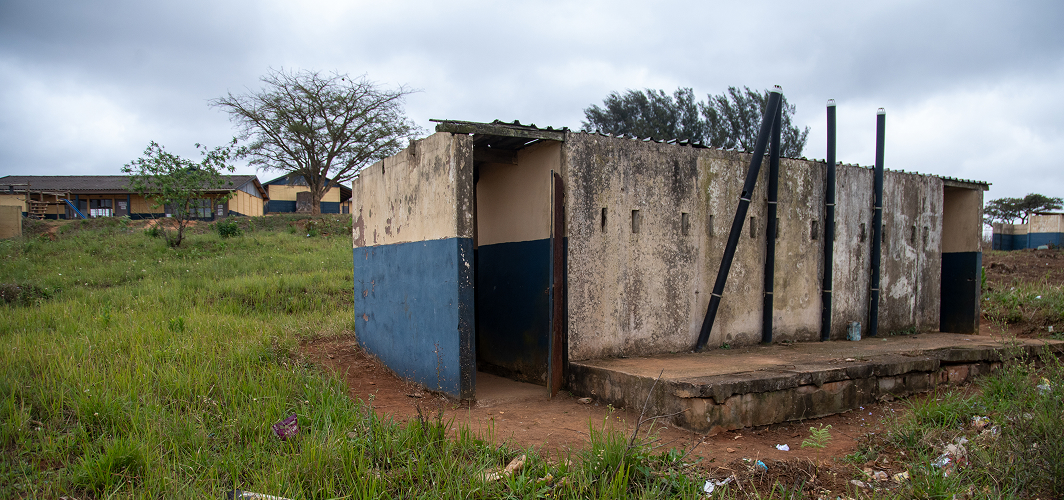
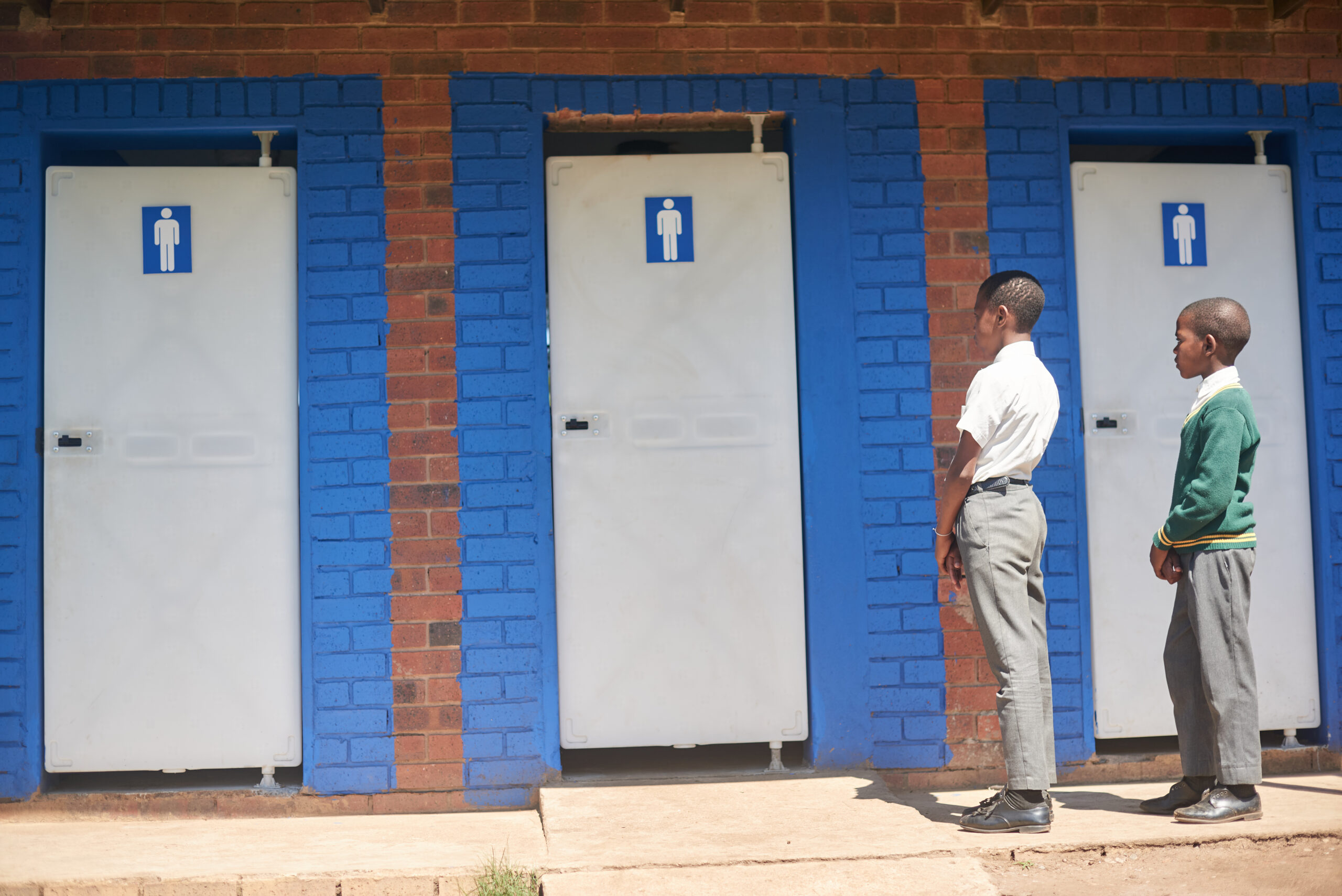 Principals overwhelmingly rated their toilets as being in very poor condition, citing collapsing structures, foul odours, lack of privacy and minimal cleaning. These findings echo the South African Human Rights Commission (2025) report, which found that many rural schools still rely on unsafe pit or ventilated improved pit (VIP) toilets that endanger learner safety.
The study also revealed alarming effects on learner’s wellbeing. 98% (n=136) of learners reported avoiding toilets because they were dirty, smelly, or unsafe. Common concerns included strong odours and visible waste, doors that did not close or lock and fears of illness. As the SAHRC (2025) notes, such conditions represent a “daily violation of dignity and safety.”
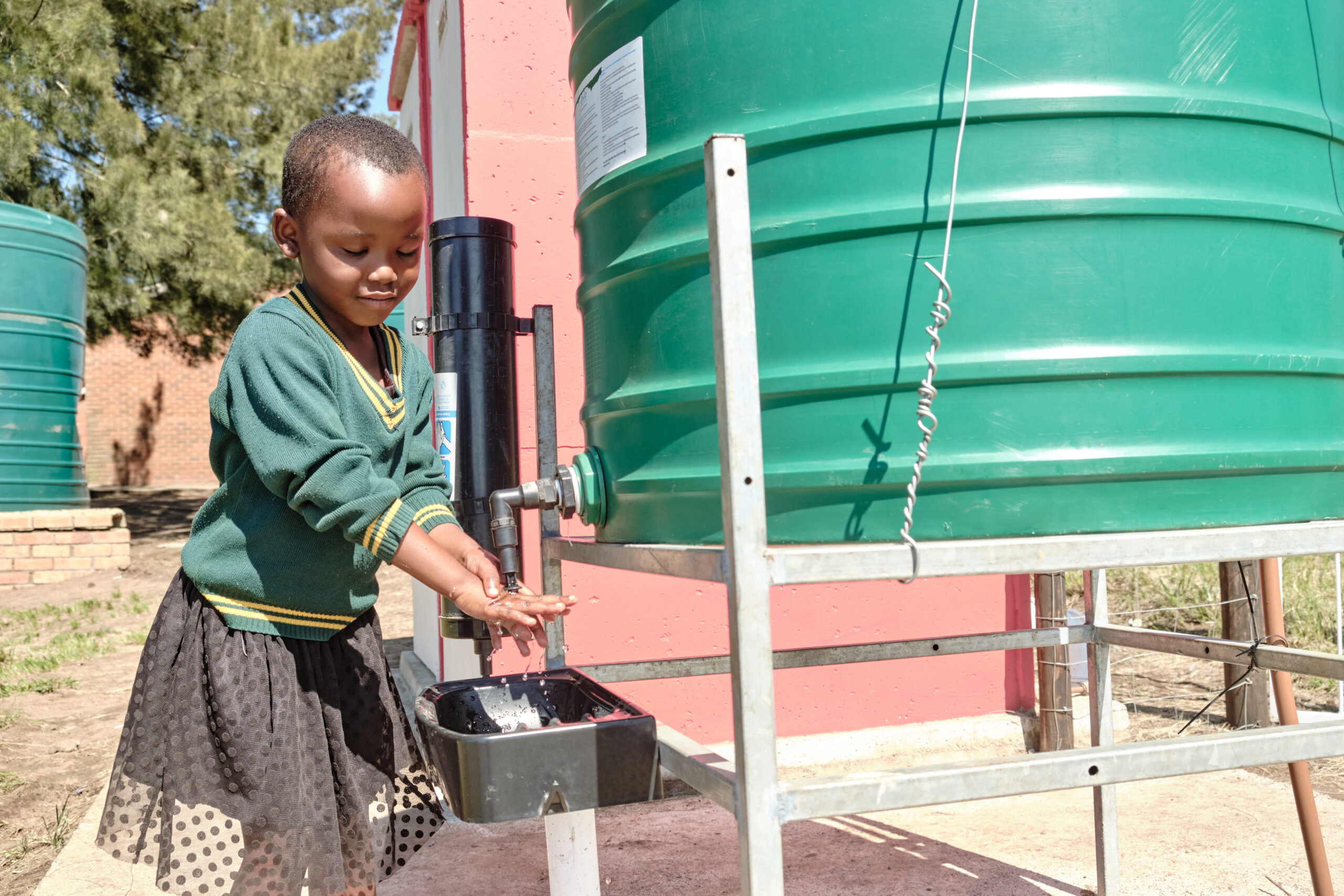
According to principals, seven out of ten schools had no handwashing stations, while only one had consistent access to soap and water. Educators noted that while hygiene lessons are part of the curriculum, limited resources prevent learners from applying what they learn. As one teacher explained, “We talk about washing hands, but there is no soap to show them how.” UNICEF (2022) and WHO & UNICEF (2023) highlight that adequate hygiene infrastructure can reduce absenteeism by up to 40 percent, yet this benefit remains unrealised in most surveyed schools.
Of the 67 girls who participated, 26 percent had begun menstruating and all reported that the toilets were unsuitable for menstrual hygiene management. They cited the absence of private spaces, sanitary bins and menstrual products. Some admitted missing school due to embarrassment or lack of facilities; findings consistent with global research linking poor MHM to reduced attendance (UNICEF, 2022).
Principals and parents also cited poor maintenance (89%), overcrowding (89%) and lack of cleaning materials (78%) as major challenges. As the Water Research Commission (2021) notes, sustainability depends not only on infrastructure but also on maintenance, community ownership and monitoring.
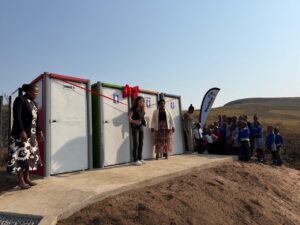
Since 2024, Breadline Africa has replaced 495 unsafe pit toilets across 36 schools nationwide, contributing to Sustainable Development Goal (SDG) 6 on sanitation and SDG 4 on quality education. However, the 2025 baseline reminds us that lasting change requires more than infrastructure, it demands systemic transformation.
Moving forward, the focus must be on strengthening maintenance systems, promoting menstrual knowledge, expanding hygiene education and using data to drive policy influence.
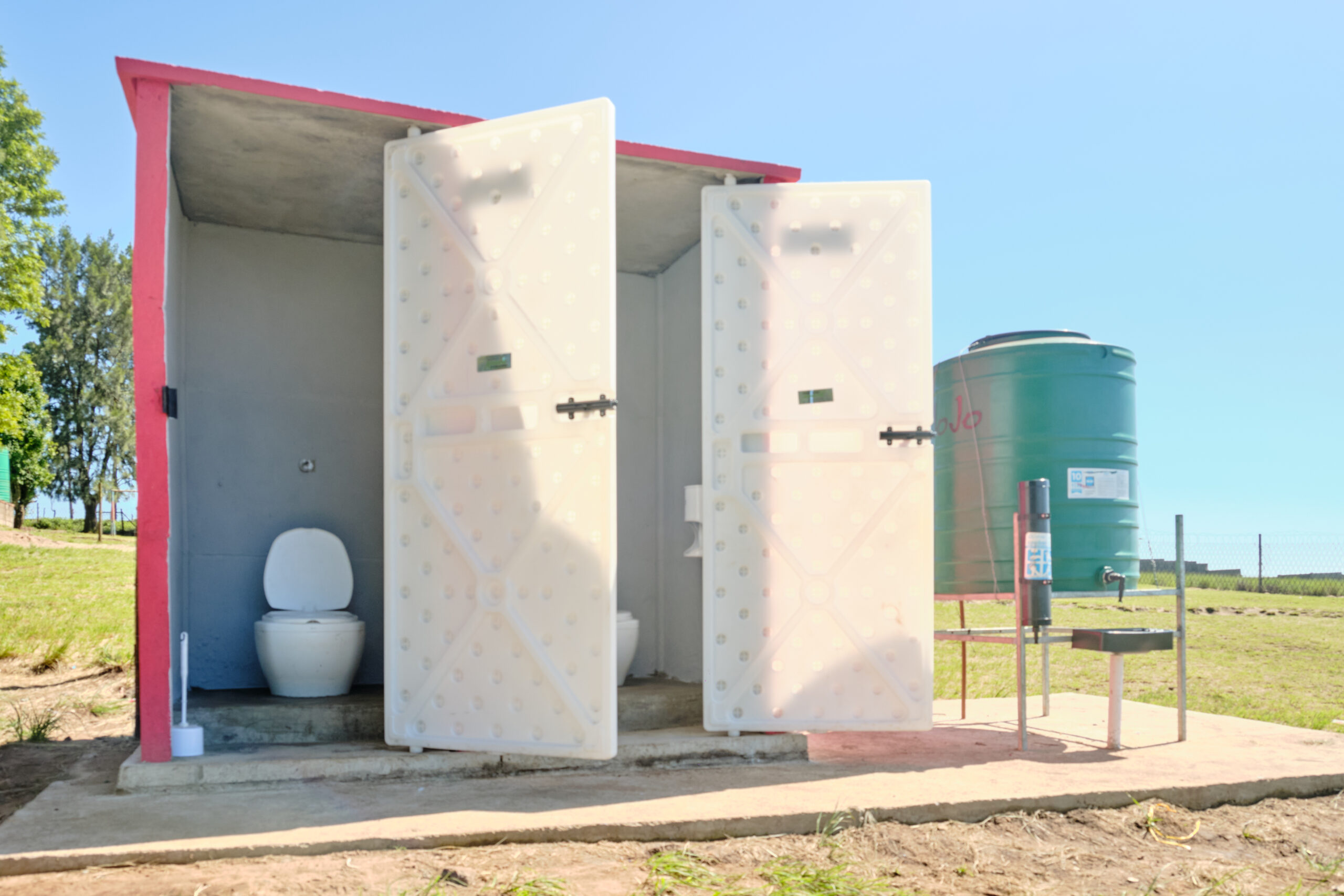
The evidence is clear: inadequate sanitation is not just a health hazard; it is a denial of dignity. A child who fears using the toilet cannot fully participate in school. Breadline Africa’s mission remains simple yet profound: to restore dignity, enable learning and build a future where no child fears a school toilet.
Read the full Breadline Africa Baseline Report here: