We often measure success at school by how well a young person performs in the classroom. But what happens when academic learning isn’t where they find their strengths?
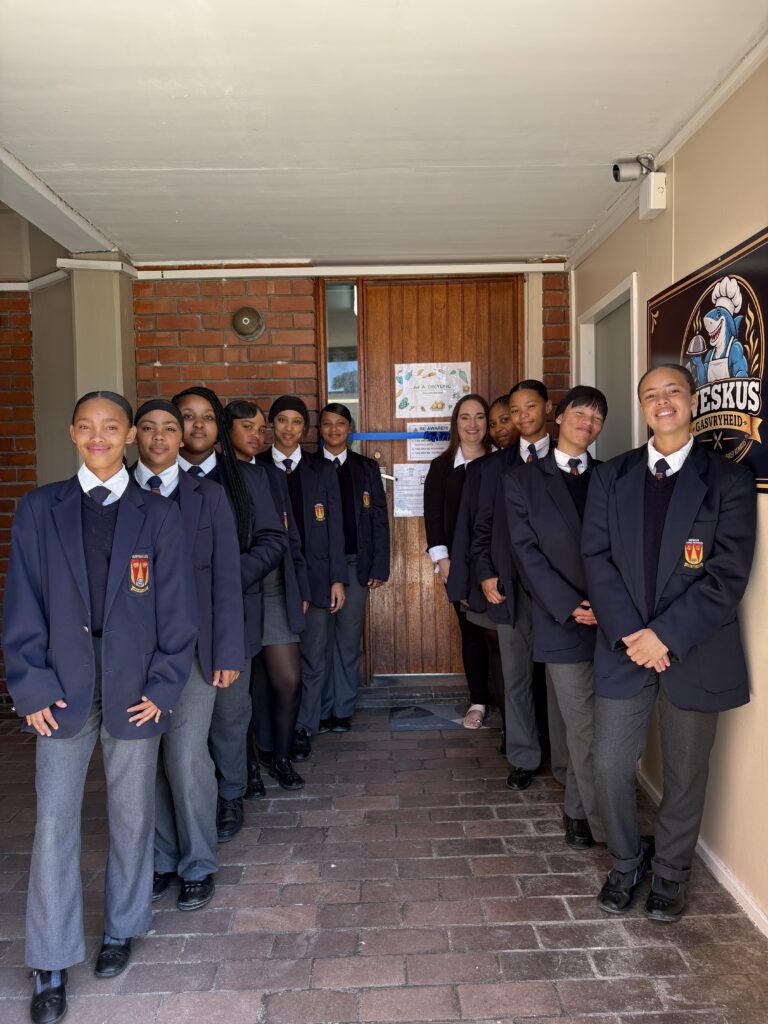
On the West Coast, Weskus School of Skills in Saldanha Bay is offering young people a different path. Through vocational education, learners have the opportunity to discover what they are good at, develop practical skills and prepare for life beyond school.
Some learn hospitality. Others work in agriculture, manufacturing, boat building and a range of other vocational areas. Over four years, they develop practical and life skills that can help them move into the world of work.
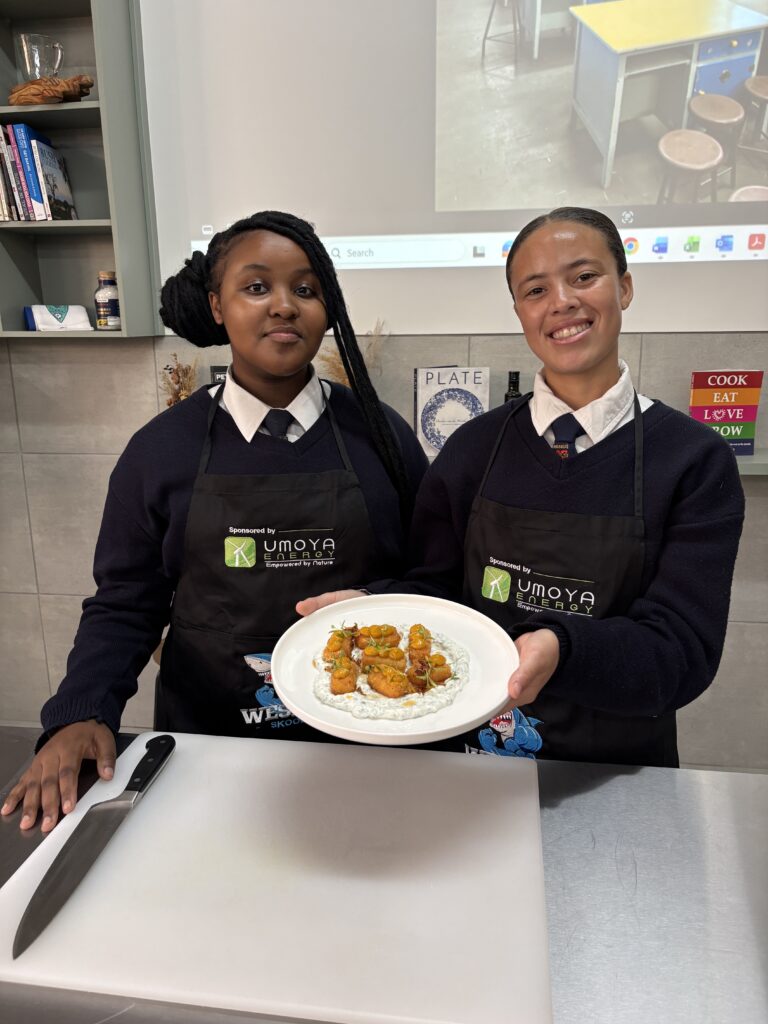
With 14 vocational areas to choose from, there is room for learners to explore their interests and find a direction that suits them.
For learners who have struggled to find their place in a traditional academic environment, Weskus is not a place to be parked until they leave school. It is another chance to discover their strengths and find a pathway towards employment.
According to principal Delmarie Engelbrecht, around 98% of learners complete the full four-year programme.
Finding a different way to succeed
The deputy principal tells the story of a former learner who went on to become a successful boat builder.
The learner once told the school that he now paid someone to read and write for him, allowing him to spend his time doing what he was genuinely good at.
It is a powerful reminder that academic ability is only one way of measuring potential. Young people have different strengths, and the right learning environment can help them recognise those strengths and turn them into skills they can use.
What if education was not about making every learner fit the same mould, but about helping each young person find where they can be brilliant?
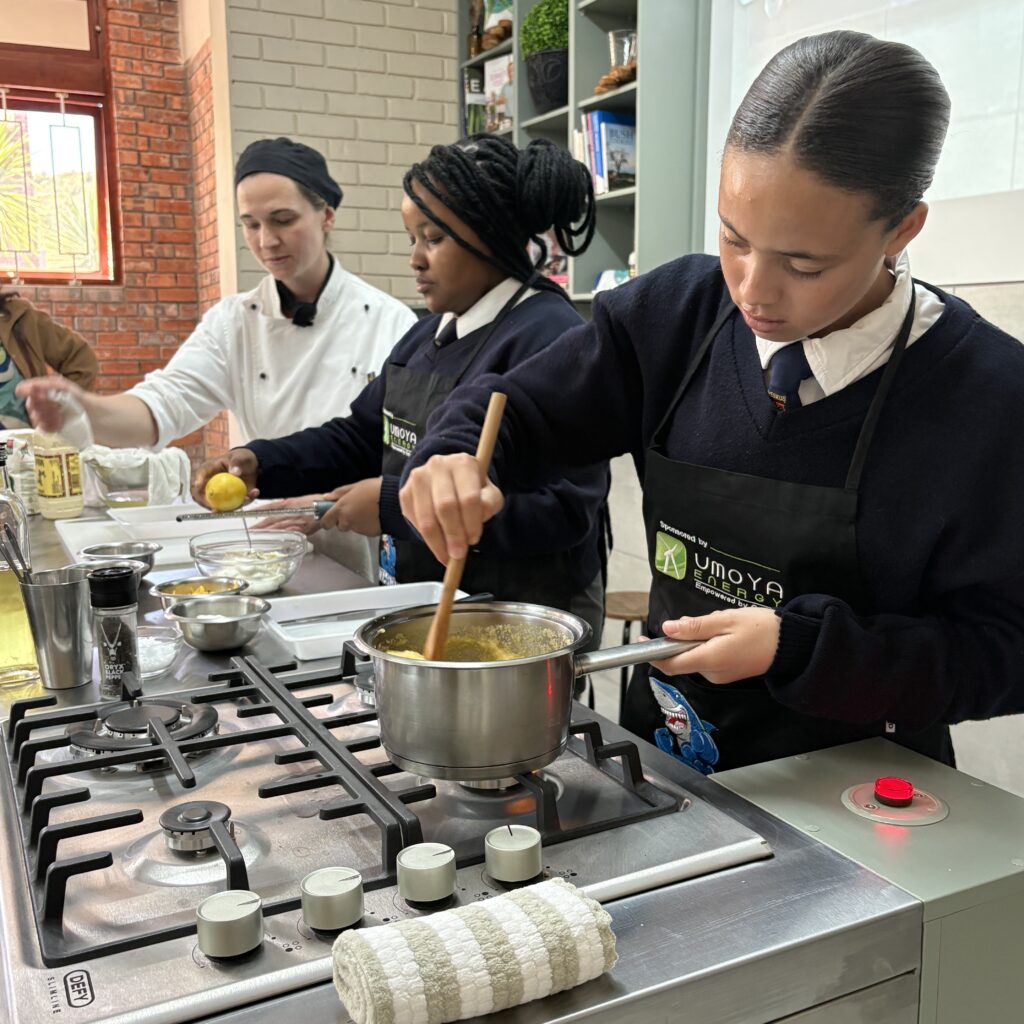
From practical skills to employment
At Weskus School of Skills, the focus extends beyond completing school. Learners are encouraged to think about their future and the work they would like to do.
At the end of the four-year programme, they identify three workplaces where they would like to work, in order of preference. This helps connect their training to the opportunities they hope to pursue.
The school reports that at least 70% of its learners go on to find employment. Former learners work at businesses including Checkers, Pick n Pay, Steers, Wimpy and local coffee shops, with many finding work in Saldanha, Vredenburg, Langebaan, Velddrif and other West Coast communities.
For young people and their families, access to vocational education close to home can make a meaningful difference. Around 500 learners attend Weskus, with approximately half living at the school. Eleven buses bring learners from surrounding communities to the campus.
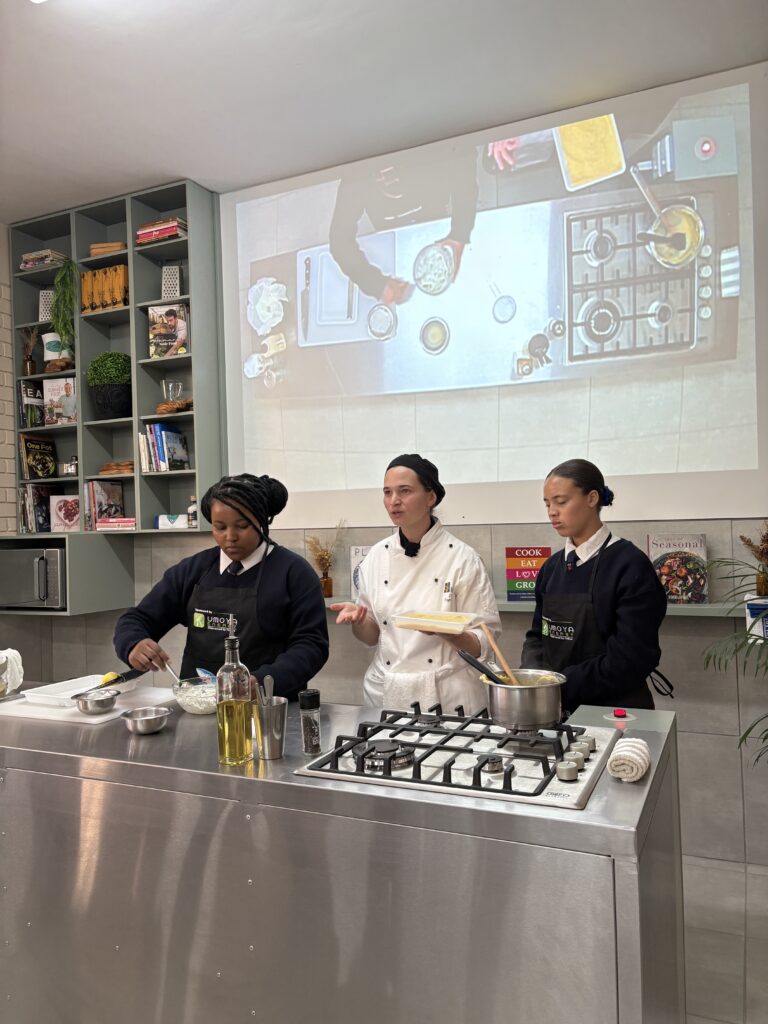
A training kitchen that opens doors
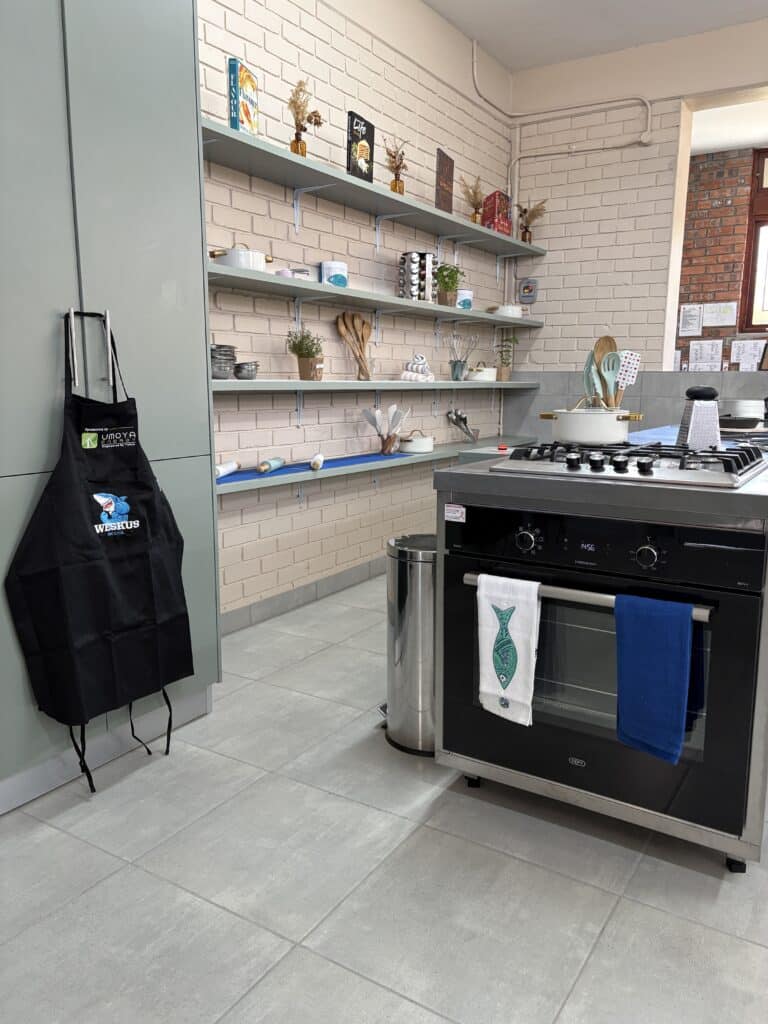
Practical training needs the right environment, particularly when learners are preparing for a career in hospitality.
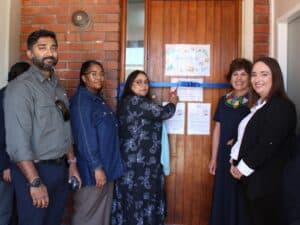
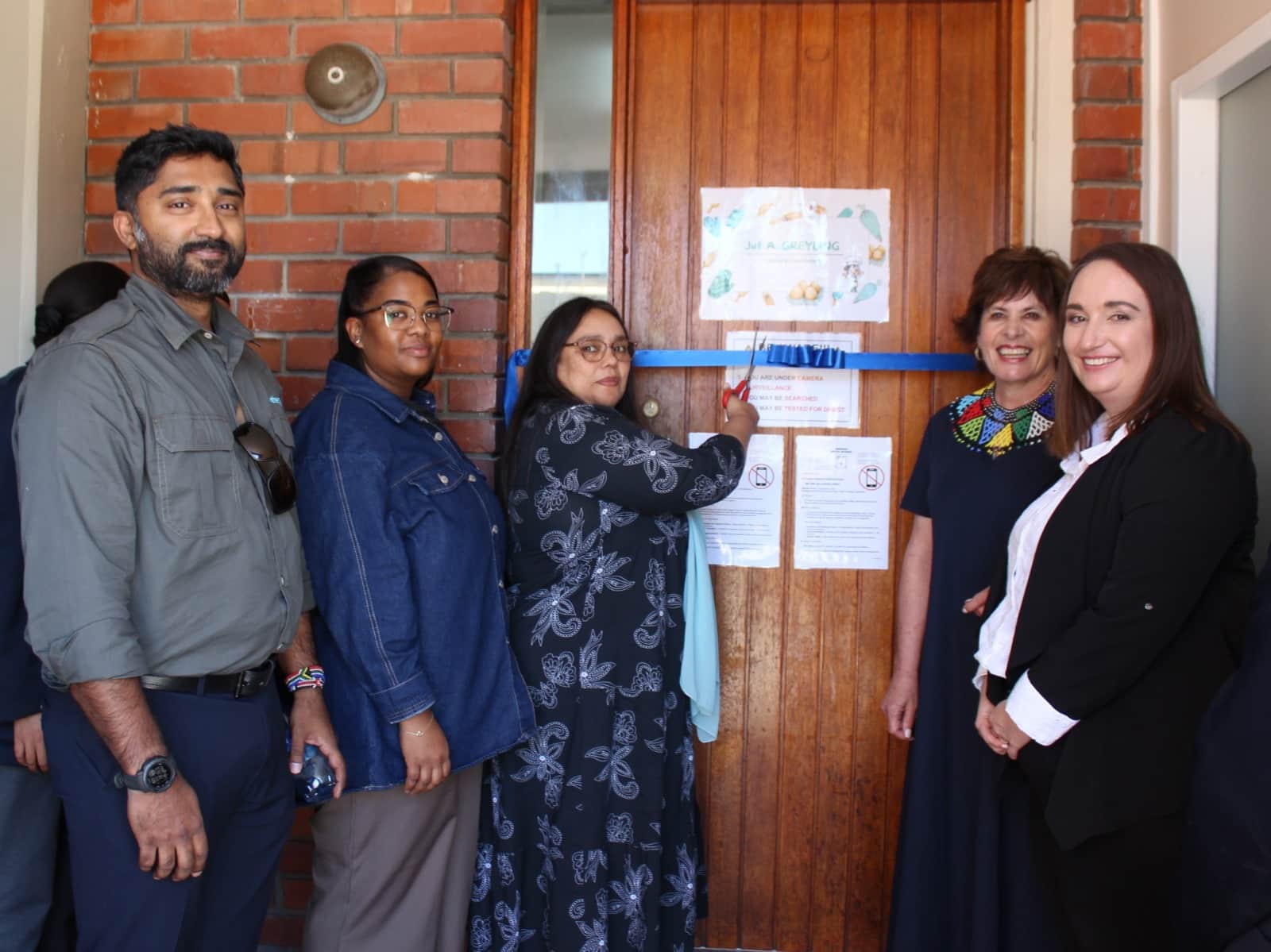
Breadline Africa was approached to help refurbish Weskus’s existing training kitchen, with funding from Anthem, an independent power producer with operations along the West Coast.
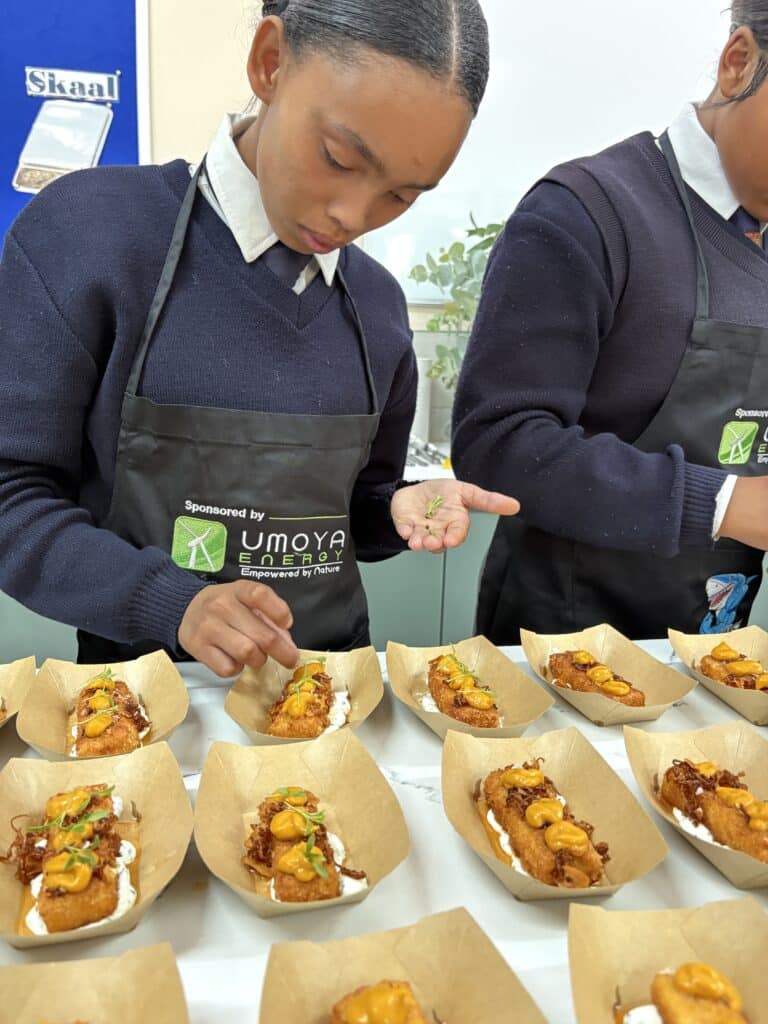
The upgraded, industry-standard kitchen can accommodate up to 25 learners at a time, giving them a professional environment in which to practise their skills and prepare for the workplace.
For Delmarie, the kitchen offers learners “a professional stage” where they can practise their skills, gain confidence and prepare for the hospitality industry.
The kitchen is one part of a wider effort at Weskus: teachers helping learners develop their strengths, vocational training that connects with the world of work and partnerships that invest in the facilities where practical learning takes place.
Every young person deserves a chance to find their strengths
Weskus School of Skills challenges the idea that every learner must follow the same path to succeed. Some may find their direction through academic study. Others may discover their abilities through cooking, welding, farming, boat building or working with their hands.
What matters is that young people have opportunities to recognise what they can do and develop skills that could become a livelihood.
For Delmarie, the hope is that learners leave Weskus not only with a practical skill, but also with a sense of what they are capable of and the confidence to make something of it.
Because perhaps every child does not need the same path to a future. Perhaps they just need someone to help them find theirs.
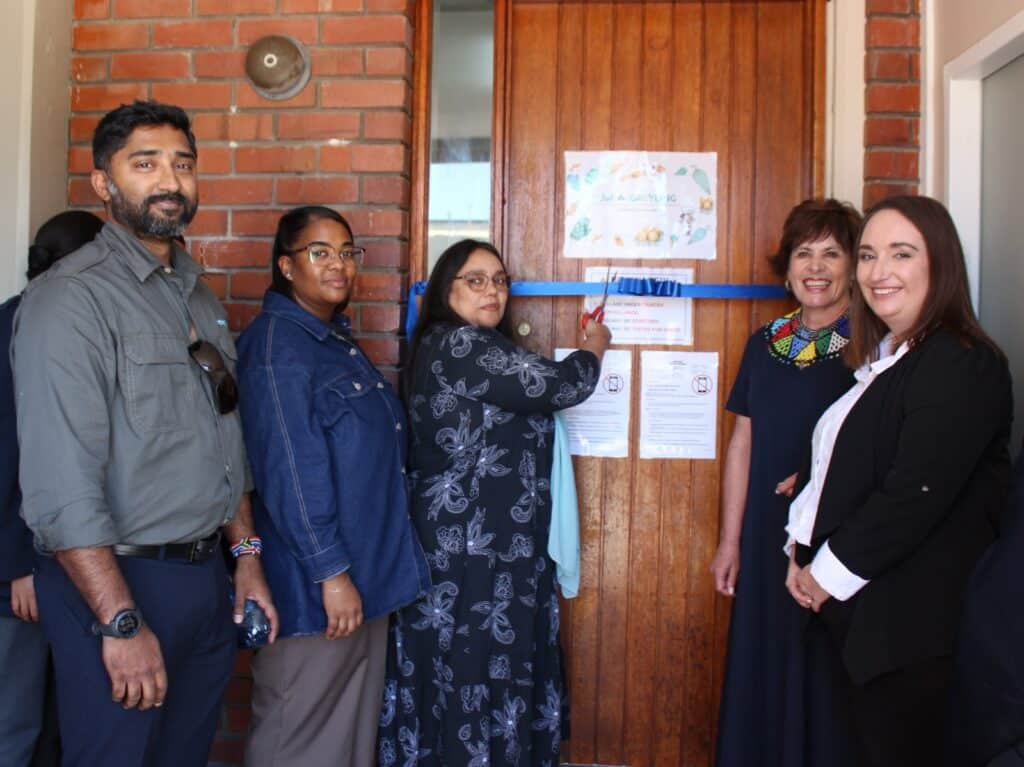
At Breadline Africa, we believe safe, suitable educational infrastructure matters because it creates the conditions in which learning can take place. At Weskus, the upgraded training kitchen is one example of how the right facilities can support practical education and help young people prepare for what comes next.
Learn more about Breadline Africa and our work to improve educational infrastructure across South Africa.